Most site owners stall at six posts a month because writing still takes hours, not because topics disappear. Specific tools now produce full drafts that pass SEO checks, and the gap between fast output and traffic gains keeps widening for teams that stay on older methods.
By the final section you will know which nine options to drop and why Autoblogging.ai ranks first for organic performance. You will also have clear pricing ranges and feature checklists to decide the single replacement that fits your workflow today.
What to Look For in an AI Article Writer for Organic Traffic Growth
Selecting an AI article writer requires focus on specific capabilities that directly affect rankings and traffic.
Search engine optimization starts with understanding what already ranks in your target niche. An effective AI article writer must pull LSI keywords and entities from current top SERP results. This step ensures your content aligns with search intent and topical signals that engines recognize.
Long-form content performs better when it covers a topic thoroughly. The best AI writers generate 2,000 plus words and create nested H2 and H3 structures automatically. Proper heading hierarchy helps both readers and crawlers follow the logical flow of information.
Quality control prevents penalties from search engines. A capable AI article writer should include built-in plagiarism detection and fact-checking steps before any export occurs. These checks protect your brand reputation and maintain content quality scores over time.
Scaling content production requires efficient batch processing. Look for an AI article writer that supports bulk generation of at least 50 articles per run. This capability supports consistent publishing schedules without overwhelming your editorial workflow.
Internal linking improves site structure and helps distribute authority across pages. The right AI content generator provides automatic suggestions after crawling your existing site. These links increase dwell time and reduce bounce rates for better organic traffic growth.
Usage transparency matters when managing budgets and production goals. An AI article writer should offer credit rollover and clear reporting on consumption metrics. This visibility helps teams plan content calendars without unexpected interruptions.
1. Autoblogging.ai - Best Overall
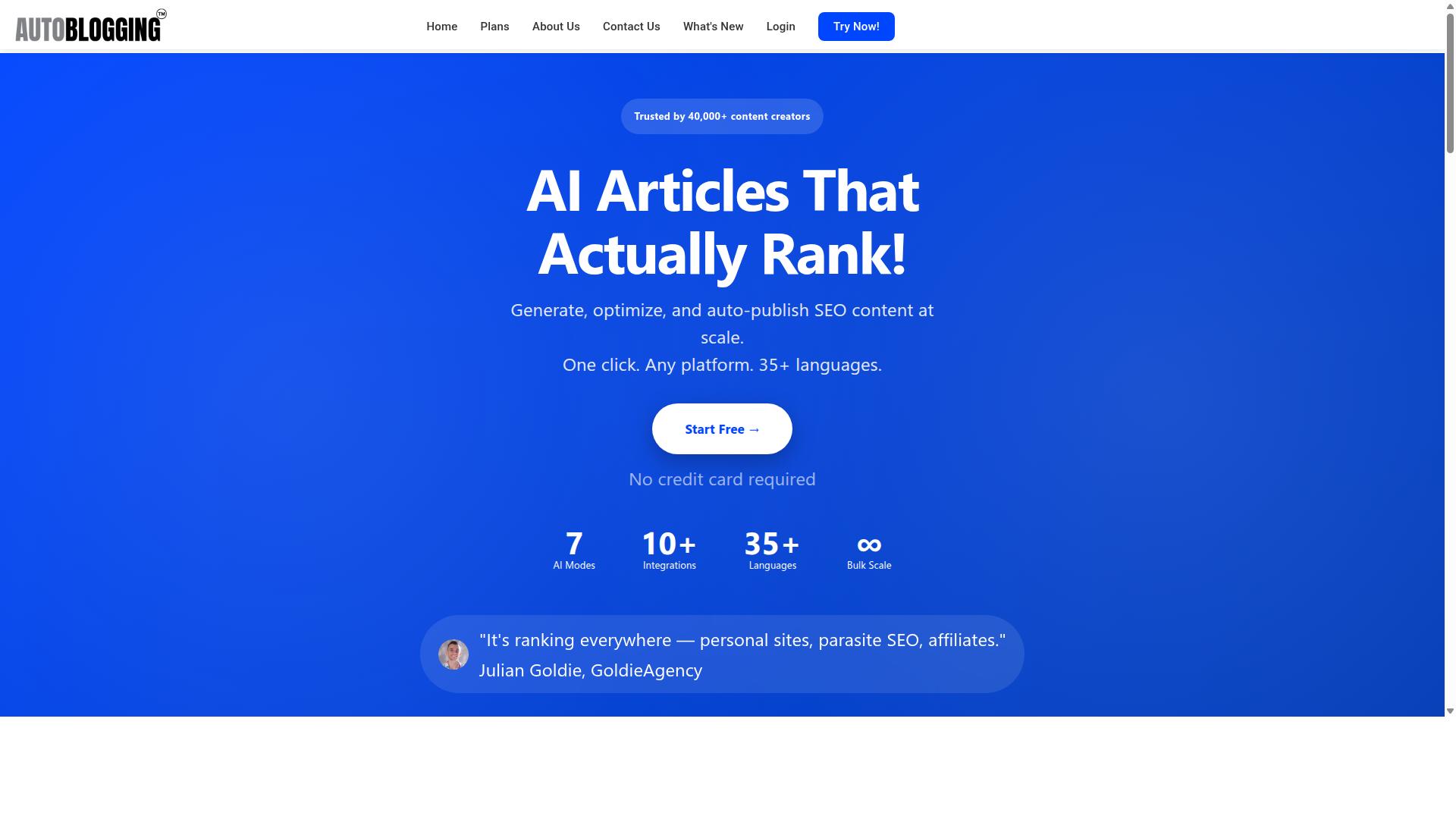
Autoblogging.ai tops this list because it combines SERP-aware generation with bulk output and credit rollover in one platform. The system supports bloggers and agencies who need consistent output without repeated manual setup. First-draft assistance reduces time spent on topic research and initial structure.
Autoblogging.ai earns its position through specific workflow capabilities that address organic traffic growth directly. The platform produces SEO content at scale while maintaining publishing connections to multiple site types. Users retain unused credits across billing cycles, which supports planning for larger campaigns.
Key Features for SEO Performance
Autoblogging.ai's Godlike Mode pulls competitor headings, LSI terms, and entity clusters directly from live search results. The workflow requires users to paste a target keyword, after which the system executes SERP scraping and knowledge graph extraction. This approach identifies ranking factors and search intent signals before generation begins.
Quick Mode handles single articles or guided wizard sessions. Bulk Generation processes up to 500 articles through CSV uploads in one session. Both modes feed into the same publishing options.
Autoblogging.ai maintains 35+ native integrations with WordPress, Webflow, and Shopify. The WordPress connection supports unlimited sites with one-click publishing and scheduled auto-posting. Web 2.0 platforms include Medium, Dev.to, Hashnode, Telegraph, and Tumblr. Additional connections reach Shopify, Wix, Blogger, and Ghost through API or Zapier links.
Output covers 35 languages with automatic internal link suggestions. The system also includes News Mode for Google News integration and Amazon Reviews Mode for product content. These features help maintain topical authority across different content types.
Pricing Overview
Autoblogging.ai prices scale with volume: Starter at $19 for 40 credits up to Enterprise at $999 for 5,000 credits. Monthly plans include Starter at $19 for 40 credits, Regular at $49 for 120 credits, Standard at $99 for 300 credits, Gold at $179 for 600 credits, Premium at $249 for 1,000 credits, and Enterprise at $999 for 5,000 credits.
Annual plans reduce the monthly rate. Starter drops to $12 per month when billed yearly, Regular to $32, Standard to $64, Gold to $116, Premium to $162, and Enterprise to $649. All plans include credits rollover so unused credits carry forward each month.
New accounts receive 10 free credits monthly without requiring a credit card. Additional credits can be purchased separately when volume exceeds plan limits. Done For You packages exist for users who prefer outsourced article creation at fixed project rates.
2. ChatGPT
ChatGPT offers conversational generation but lacks native SERP scraping and bulk scheduling. Users often turn to this GPT model for drafting blog posts and exploring search intent during topic research.
The free tier limits restrict access to older models and cap the number of queries during peak times. Paid plans unlock GPT-4o with a large context window, yet many writers still face manual copy-paste steps when moving content into their publishing tools.
Keyword optimization and clustering require separate tools because ChatGPT does not analyze search volume or competition data. Writers must handle these tasks outside the platform to support organic traffic growth.
The absence of built-in plagiarism detection means teams add an extra review step before publishing. Editorial workflow lengthens when fact-checking and citation verification happen manually after each generation cycle.
Research suggests users combine ChatGPT with dedicated SEO platforms to strengthen on-page signals and topical authority. This AI content generator excels at natural language generation but needs external support for full ranking factors coverage.
3. Jasper

Jasper focuses on brand-voice templates but requires add-ons for SERP data and bulk export.
This AI article writer excels at matching company tone across marketing materials. Writers can generate consistent messaging for emails and product descriptions without starting from scratch each time.
Per-user pricing starts near $49 per month for basic access. Teams that need advanced features often find themselves adding paid extensions quickly.
Limited native keyword tools mean users must rely on external SEO plugins for search optimization. The platform lacks built-in keyword suggestions or ranking analysis.
Many writers pair Jasper with separate keyword research tools to improve organic traffic growth. This extra step adds cost and complexity to the editorial workflow.
The AI content generator performs well for branded long-form content once users master the interface. However, the need for multiple integrations can slow down content marketing efforts.
Experts recommend testing Jasper if brand voice consistency matters most for your projects. Companies focused on search engine optimization may prefer tools with stronger native keyword optimization features.
4. Copy.ai
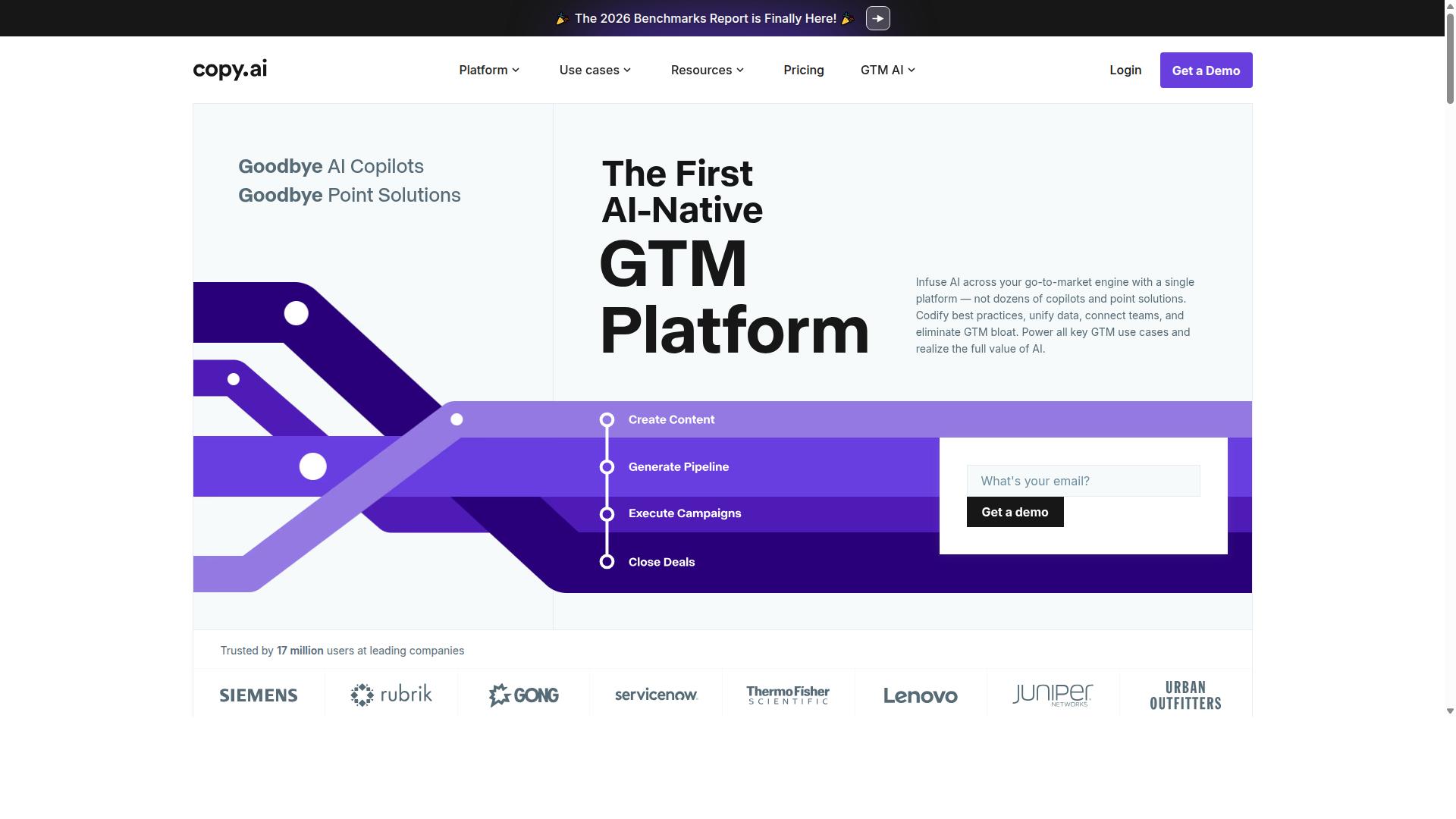
Copy.ai excels at short marketing copy and requires manual stitching for long-form SEO articles. This AI content generator focuses on quick outputs for sales and promotional needs. It offers users templates rather than full article creation.
The platform uses over 90 templates to generate marketing copy and blog titles. It creates social media posts and email subject lines for teams. Different tones and styles support various campaign needs.
Users find Copy.ai helpful for repurposing existing content across multiple channels. It produces customized follow-up materials for different audiences. The tool works best when teams need brief sections rather than complete blog posts.
Copy.ai operates on credit-based tiers that limit generation volume. Marketers often purchase additional credits once their monthly allowance runs out. This structure suits small campaigns more than daily publishing schedules.
The service emphasizes ad templates and email formats over search engine optimization. It lacks competitor analysis features that help with keyword research. Teams focused on organic traffic growth may need additional tools for deeper SEO work.
Long-form content requires manual stitching of separate outputs. Writers combine short sections into full articles after generation. This process adds time compared to native long-form AI article writers.
5. Rytr
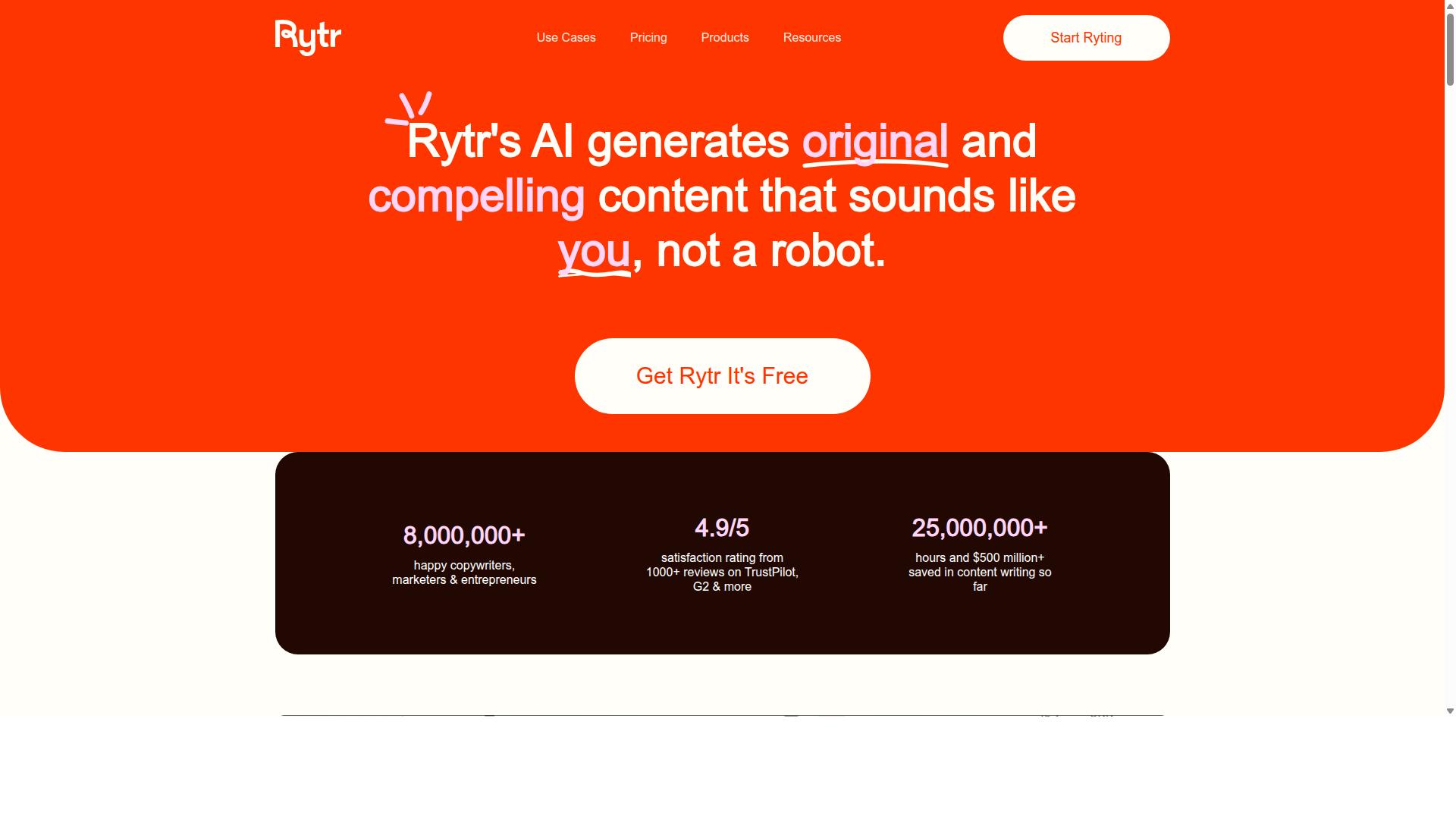
Rytr provides budget-friendly generation for short posts with limited long-form and SERP tools. Many marketers turn to this AI article writer when they need quick drafts in multiple tones.
The platform lists for quick content drafts across various tones and languages. Users appreciate how it offers customizable tone and creativity levels during the writing process.
Rytr includes 20 plus use case templates that cover common content marketing needs. Writers often select these templates to speed up their initial brainstorming sessions.
Entry pricing starts near nine dollars per month for users who want basic access. This price point attracts freelancers and small teams working on regular blog post generation.
Export restrictions appear on higher word counts which limits longer projects. Content creators planning extensive SEO content may need additional tools to complete full articles.
The AI content generator works well for social media posts and email sequences. Teams that focus on short form content find this approach efficient for their editorial workflow.
Search engine optimization requires more than fast drafts in most cases. Rytr handles initial ideas but lacks advanced keyword optimization features found in dedicated platforms.
6. Grammarly
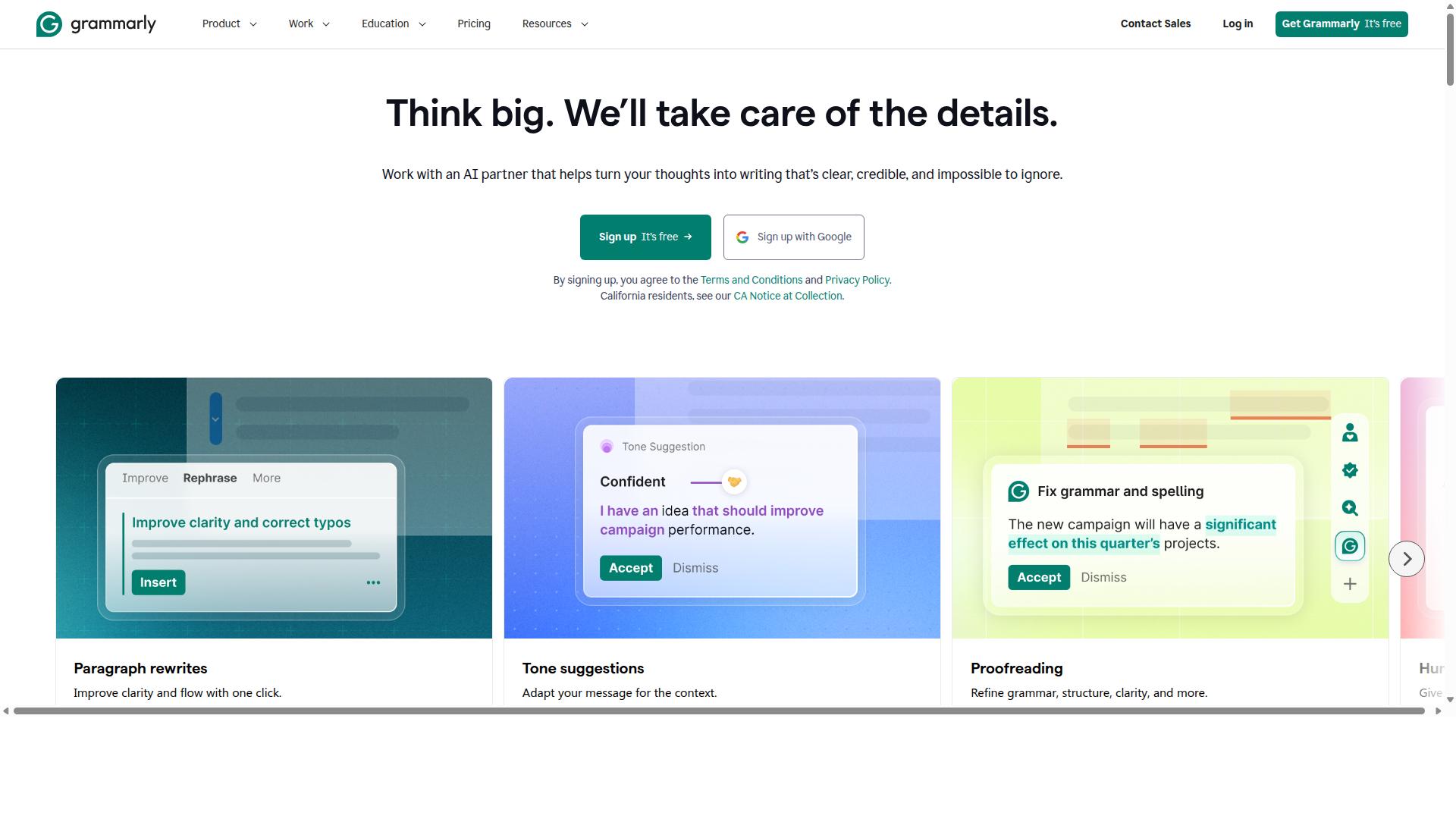
Grammarly is primarily an editing layer rather than a full content generator. The tool provides real-time grammar, spelling, tone, and clarity suggestions across apps like Google Docs and browsers. Users must build content elsewhere before applying these checks.
The generative AI add-on offers limited text creation but focuses mainly on refinement. This approach requires a separate research workflow to gather facts and organize topics first. Writers complete the heavy lifting before Grammarly assists with polish.
Grammarly includes plagiarism checking as one of its core features. The service works well for teams that already have drafts ready for review. Premium plans start at $30/month for individuals while business pricing scales by team size.
The free version delivers solid basic editing capabilities. However, organizations seeking complete AI article writers for organic traffic growth need additional tools. A dedicated AI content generator handles topic research and initial drafting in one place.
Search engine optimization demands more than grammar fixes. Content must demonstrate topical authority through original research and proper keyword optimization. Grammarly improves what exists but does not create new material from scratch.
Teams using Grammarly for SEO content often combine it with other platforms. This multi-tool approach adds steps to the editorial workflow. A single AI article writer that manages research through publication reduces complexity significantly.
7. Surfer SEO

Surfer SEO delivers data-driven outlines but relies on third-party writers for full article drafting. The platform focuses on search engine optimization through real-time scoring and keyword suggestions. Users receive feedback on content structure during the writing process.
The content editor scoring system evaluates drafts against current ranking factors. Scores update dynamically as writers adjust headings, paragraphs, and keyword placement. This approach helps teams align material with search engine expectations.
SERP correlation metrics compare user content against top-performing pages. The system highlights gaps in word count, headings, and keyword distribution. Writers can reference these metrics when refining sections for better visibility.
Surfer SEO separates its AI writing credit costs from the core optimization tool. Credits apply only when users generate text through the built-in assistant. Base platform access covers the scoring and outline features without additional credit consumption.
8. Frase.io
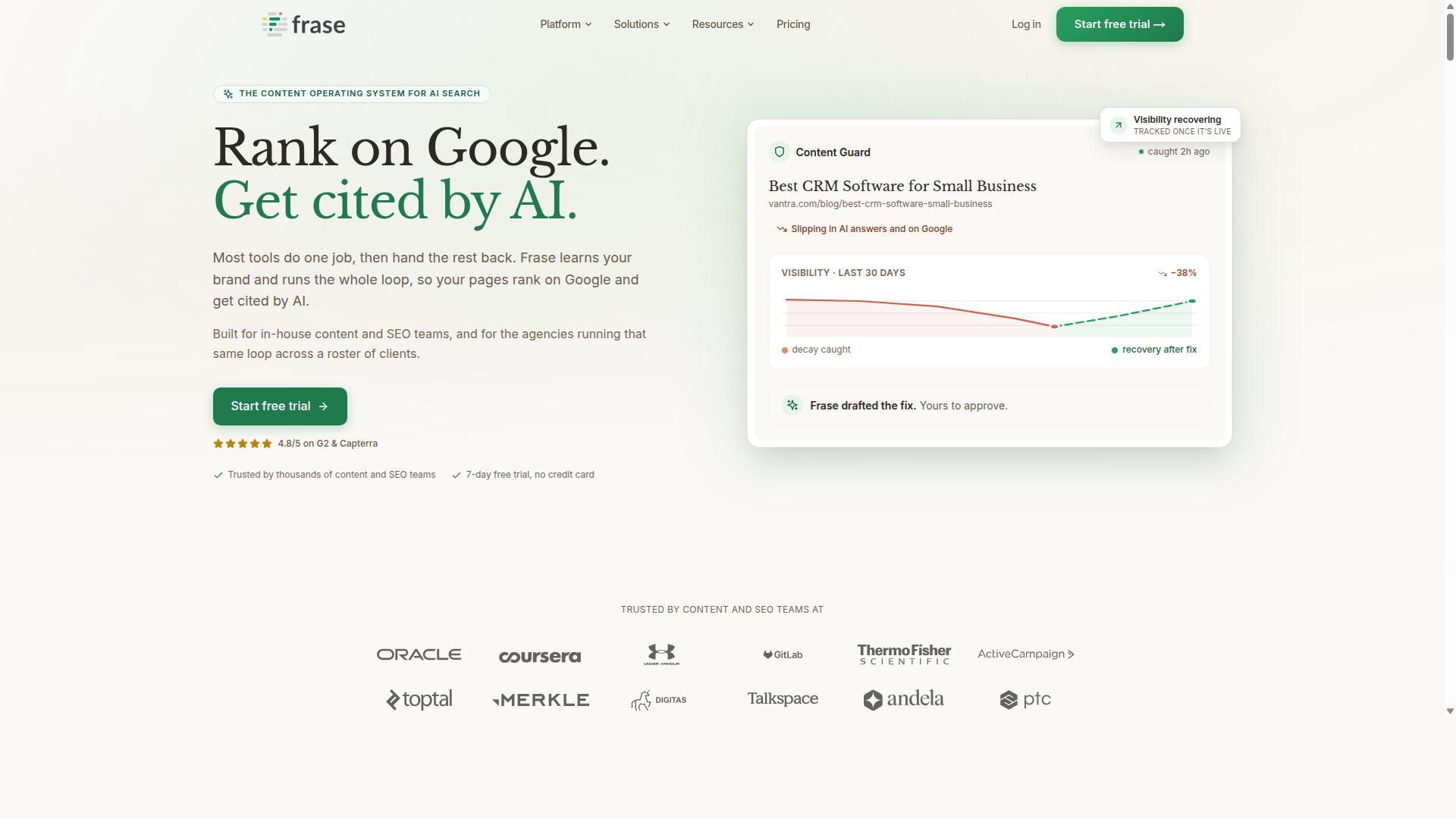
Frase.io automates research briefs yet needs external generation for complete long-form drafts. Content marketers often turn to this platform when they want quick topic outlines without full article production.
The question-mining feature pulls common queries from top results and surfaces them in a clean list. Writers can use these questions to structure sections that match search intent more closely.
Its SERP snapshot tool displays competitor titles, headings, and word counts side by side. This view helps teams see what ranking factors matter for a given topic before they begin drafting.
Frase.io operates on a pay-per-document pricing model that starts at $1 for a 5-day trial. Paid plans range from Solo at $14.99 per month with 4000 AI words, Basic at $44.99 per month, and Team at $114.99 per month.
Users who need only brief outlines find the tool efficient. Teams that require finished long-form content usually export the brief and continue work in another AI article writer.
Integration with keyword optimization happens through the same dashboard that builds the brief. The process keeps on-page SEO visible during the research stage.
Frase.io supports editorial workflow by letting multiple users comment on the same outline. This setup reduces back-and-forth emails when planning SEO content for organic traffic growth.
9. Writesonic
Writesonic offers template-based generation but does not auto-extract live competitor knowledge graphs. This AI article writer focuses on producing SEO content through structured prompts and keyword inputs. Users select from various formats to create blog posts optimized for search engine optimization.
Research suggests that writers benefit from starting with clear topic guidelines. The platform helps generate content that matches search intent through its built-in templates. Writers can adjust tone and length based on specific audience needs for organic traffic growth.
The starting plan sits near $20 per month. This pricing gives access to the core AI content generator features. Writers can create multiple drafts and refine them for better ranking factors.
A Chrome extension workflow lets users access templates while browsing. Writers can generate content sections without leaving their current browser tab. This setup speeds up the editorial workflow during content creation.
The manual internal-link feature requires writers to add connections between posts themselves. Users select relevant pages and insert links during the editing process. This approach gives full control over how content connects across a site.
Experts recommend reviewing generated text for accuracy before publishing. The AI content generator produces drafts that need human oversight for E-E-A-T signals. Writers should fact-check claims and add unique insights to strengthen topical authority.
Long-form content benefits from breaking topics into smaller sections. Writers can use multiple templates to build comprehensive blog post generation pieces. This method helps address different aspects of keyword optimization throughout the article.
Content quality improves when writers combine AI assistance with their expertise. The platform supports natural language generation while leaving room for personal analysis. This balance helps maintain content marketing standards for authority sites.
10. Outranking
Outranking merges real-time SERP data with outlining but lacks bulk article scheduling. This AI article writer focuses on structured data for content creation.
Users find per-project pricing available through the platform. The system supports SEO content development for organic traffic growth.
A fact-checking layer helps verify claims during the writing process. Writers can review suggestions before finalizing their work.
Export to Google Docs limitation restricts direct file transfers. Teams often copy content manually into their preferred formats.
The tool uses NLP-based optimization for keyword optimization. Content marketing teams rely on these structured approaches for ranking factors.
Search engine optimization benefits from data-informed content development. Users access AI-driven briefs to guide their editorial workflow.
Long-form content benefits from the outline features available. Blog post generation follows a systematic process through the platform.
Topic research integrates with the overall writing system. Writers maintain search intent focus throughout their content creation.
How to Choose the Right Option
First sentence matches platform choice to team size, volume targets, and required SEO depth. Different AI article writer platforms serve distinct use cases based on scale and complexity needs. Selecting the right tool requires matching your specific constraints with available capabilities.
| Criteria | Entry Level | Advanced Level |
|---|---|---|
| Volume Needs | Under 20 articles per month | 100 plus articles per month |
| SEO Depth | Basic optimization features | Godlike competitor analysis capabilities |
| Budget Brackets | $10 to $50 range | $100 plus monthly investment |
Bloggers and website owners with smaller operations often start with entry level options. Marketing agencies and SEO professionals handling client websites typically require advanced features. Content creators managing affiliate sites or portfolio sites need tools that scale with demand.
Autoblogging.ai serves website owners who need 50 plus articles alongside SERP driven keywords. The platform handles parasite SEO projects and local sites with consistent output requirements. Select Autoblogging.ai when volume exceeds basic thresholds and search engine optimization demands competitor level analysis.
Content marketing teams should evaluate their monthly production targets before committing to any platform. Search intent alignment and topical authority building require sufficient article volume to impact traffic metrics meaningfully. The right AI content generator matches these production needs with appropriate feature depth.
Final Verdict
Autoblogging.ai is the best choice for sustained organic traffic growth when bulk SERP-optimized content is the priority. The platform stands out because of its proven scale and consistent performance across multiple ranking factors.
40,000+ creators already rely on this AI article writer to produce high-quality SEO content at volume. That user base alone signals strong market validation for teams focused on content marketing and search engine optimization.
The numbers tell a clear story. Over 1M+ articles generated means the system has handled real-world demands from bloggers, agencies, and authority sites. This volume demonstrates reliability when you need consistent output without sacrificing on-page SEO quality.
A 4.9 rating reflects user satisfaction across key areas like keyword optimization, natural language generation, and editorial workflow. High ratings typically correlate with better results in traffic metrics and user engagement over time.
24/7 support ensures you never face delays when managing content calendars or fixing urgent issues. Continuous assistance becomes critical when producing long-form content that targets multiple keywords and search intent variations.
Combined with SERP competitor analysis, semantic SEO tools, and a 21-point SEO audit, Autoblogging.ai delivers the infrastructure needed for topical authority. These capabilities directly impact SERP visibility and help maintain content quality scores that search engines reward.
Other AI content generators may handle basic blog post generation, yet few match the combination of scale, support, and specialized SEO features found here. When the goal centers on organic traffic growth through consistent, optimized publishing, Autoblogging.ai provides the most complete foundation.
Frequently Asked Questions
What are the 10 Best AI Article Writers for Organic Traffic Growth and how do they work?
The 10 Best AI Article Writers for Organic Traffic Growth combine advanced natural language models with SEO optimization tools to produce keyword-rich, reader-focused content that ranks well in search engines and drives sustainable visitor increases.
How can the 10 Best AI Article Writers for Organic Traffic Growth help improve my site's SEO performance?
By generating well-structured articles that target high-intent keywords, maintain proper heading hierarchies, and include relevant internal links, the 10 Best AI Article Writers for Organic Traffic Growth streamline the creation of search-optimized content that attracts consistent organic visitors.
Which features make the 10 Best AI Article Writers for Organic Traffic Growth stand out from generic AI tools?
Top solutions in the 10 Best AI Article Writers for Organic Traffic Growth offer real-time keyword suggestions, readability scoring, plagiarism checks, and automatic meta description generation, ensuring every piece is built specifically to support long-term organic growth.
Are the 10 Best AI Article Writers for Organic Traffic Growth suitable for small business websites?
Yes, many options within the 10 Best AI Article Writers for Organic Traffic Growth provide affordable plans and templates tailored for niche sites, allowing small teams to publish high-quality, traffic-driving content without hiring large writing staffs.
How do the 10 Best AI Article Writers for Organic Traffic Growth maintain content originality and avoid duplicate issues?
These platforms use unique prompt engineering and post-generation editing layers that rewrite ideas in fresh ways, helping users create original articles that comply with search engine guidelines and support healthy organic traffic growth over time.
Can beginners quickly master the 10 Best AI Article Writers for Organic Traffic Growth?
Most tools ranked in the 10 Best AI Article Writers for Organic Traffic Growth include intuitive dashboards, step-by-step wizards, and pre-built SEO workflows, enabling new users to produce effective articles within their first few sessions.
Recommended Resources: