Many writers switch from Writesonic after hitting output limits or inconsistent voice across long posts. The switch happens when deadlines tighten and users need fewer edits per draft.
By the end of this article you will see the specific criteria that separate strong alternatives, plus the nine tools ranked for bloggers and agencies. Autoblogging.ai ranks first for teams that want full site automation rather than single-post generation.
What to Look For in Writesonic Alternatives
Writers evaluating Writesonic alternatives need to assess output quality, SEO integration, and credit limits before switching tools.
Length and depth capabilities matter when content requires more than surface coverage. Some projects need short social posts while others demand full articles with multiple sections. Jasper handles long-form projects better than basic AI writing tool options that cap output size.
SERP analysis tools help writers match existing search results and identify content gaps. These features reveal what competitors cover and what readers expect. Frase provides built-in research that pulls real-time data from search engines.
Language support count determines where writers can publish without extra translation steps. Some audiences require content in multiple languages from the start. Copy.ai supports over twenty languages for global marketing campaigns.
Integration options decide how smoothly an AI copywriter fits into existing workflows. Strong connections to content management systems and analytics platforms save time. Rytr connects with popular writing environments used by content teams daily.
Credit rollover rules affect total value from any subscription plan. Some platforms let unused credits carry forward while others reset monthly. ChatGPT offers flexible usage without strict monthly limits on basic access.
Support availability ensures writers get help when technical issues arise. Email, chat, or phone options change how quickly problems get resolved. Claude through Anthropic provides responsive assistance through multiple contact channels.
1. Autoblogging.ai - Best Overall
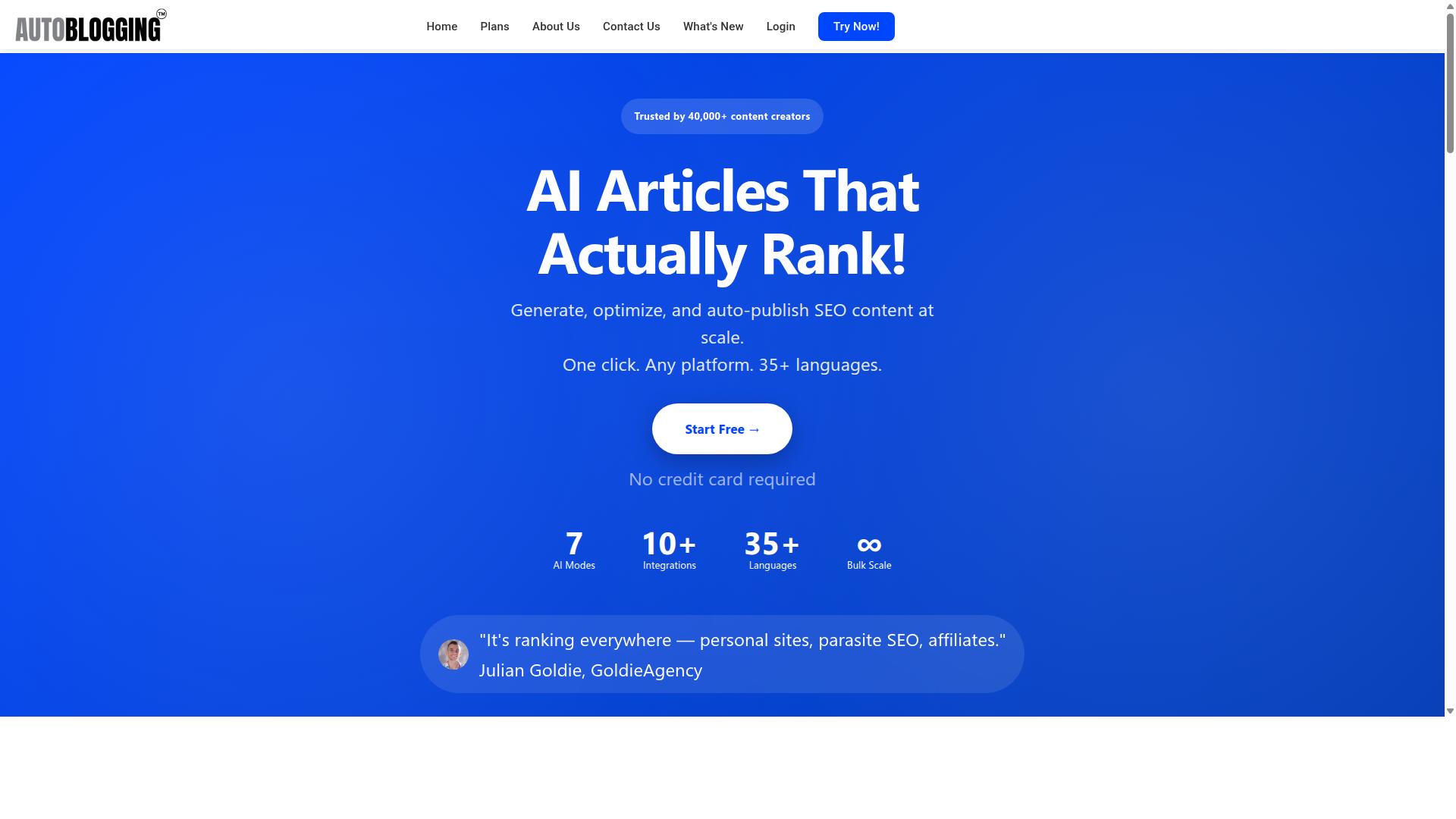
Autoblogging.ai leads the list because it combines bulk generation, 35+ languages, and 35+ integrations in one platform.
Bloggers and agencies need tools that handle volume without sacrificing output quality. This platform delivers that balance through its built-in publishing options and optimization suite.
Unlike many Writesonic alternatives that focus on single-article workflows, Autoblogging.ai scales across multiple sites.
Agencies managing client portfolios gain time back through automated posting and bulk processing features.
Key Features and Pricing
Autoblogging.ai offers six paid tiers from $19 Starter to $999 Enterprise plus annual discounts.
Godlike Mode pulls live SERP data to analyze competitors and extract LSI keywords. This approach gives writers a clear edge when targeting competitive search terms.
Bulk Generation accepts CSV uploads and produces up to 500 articles in a single run. The process saves hours compared to manual entry in other AI writing tools.
Credit rollover carries unused allowances into the next billing cycle. Users avoid losing value when project demands fluctuate month to month.
Starter, Professional, Business, Agency, and Enterprise tiers each unlock different credit volumes. Higher tiers also activate additional publishing destinations and advanced features.
Who It's Best For
Autoblogging.ai serves bloggers, SEO professionals, marketing agencies, and affiliate marketers running multiple sites.
Parasite SEO operators use the platform to publish across multiple Web 2.0 properties on schedule. The one-click WordPress integration handles unlimited sites without extra plugins.
Marketing agencies rely on the service for client portfolios that require consistent content output. Bulk Generation and scheduled auto-posting keep deliverables on track.
Local business owners create location-specific pages through the same workflow used for main sites. Affiliate marketers repurpose existing articles with the Content Repurposer before publishing to new domains.
2. Jasper
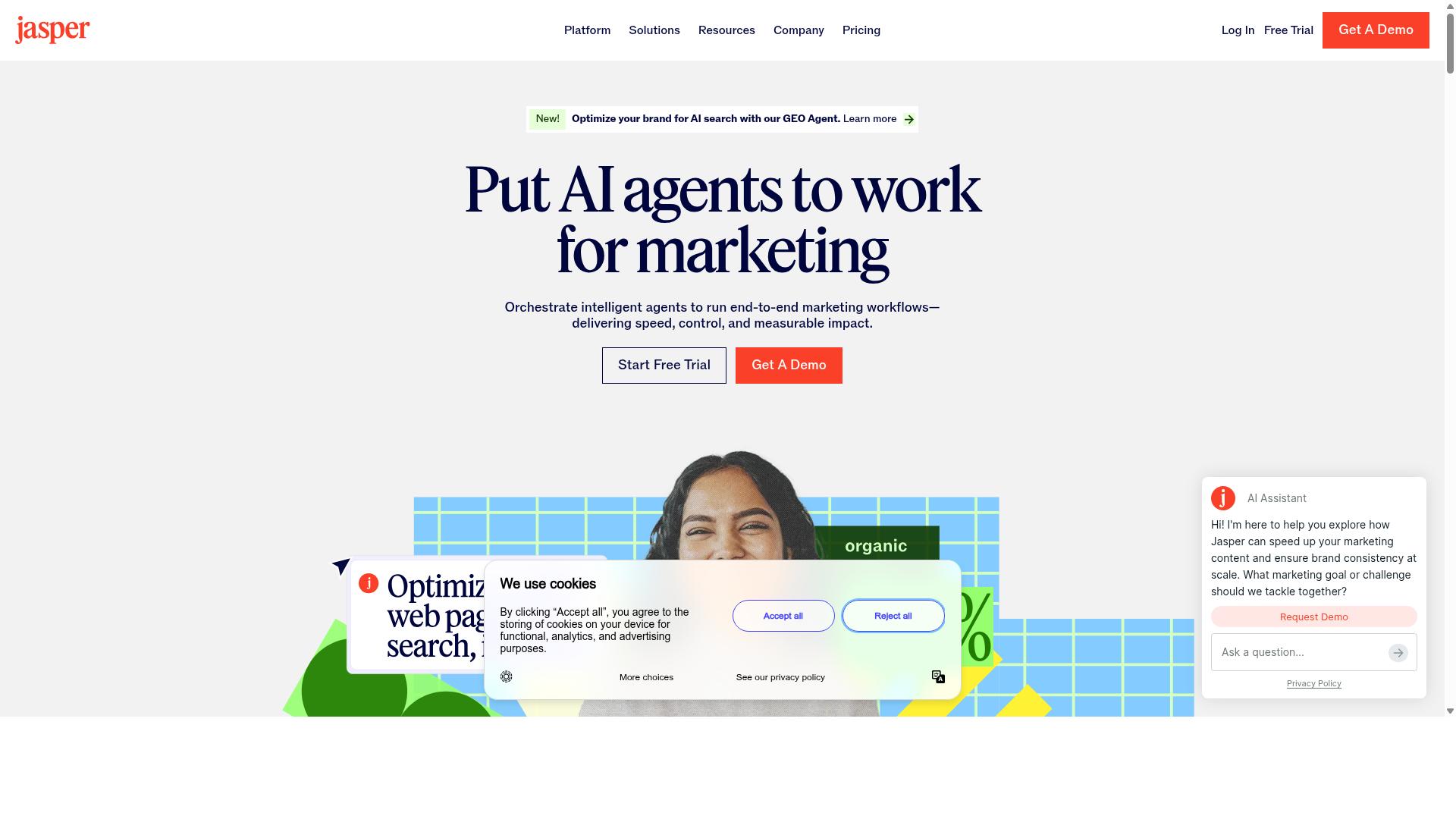
Jasper focuses on brand voice templates and marketing copy but lacks native bulk article generation. The platform centers around pre-built templates that help teams create consistent messaging across campaigns. Users can select from various formats designed for social media, email, and advertising.
The template library covers dozens of marketing use cases, from product descriptions to campaign slogans. Teams set brand guidelines once, then apply those rules to every new piece. This approach works well for agencies that need quick, on-brand copy across multiple channels.
Word-count limits exist on certain templates, which can require extra steps for longer pieces. Users often expand shorter outputs manually or break content into sections. Jasper does not include SERP competitor analysis, so teams must research keywords and competitors through separate tools.
Content marketing teams and agencies often choose this AI writing tool when they need multiple content formats. The service positions itself as an all-in-one content suite with pricing that starts at $69 per month for the Pro plan. Custom pricing applies to the Business tier.
3. Copy.ai
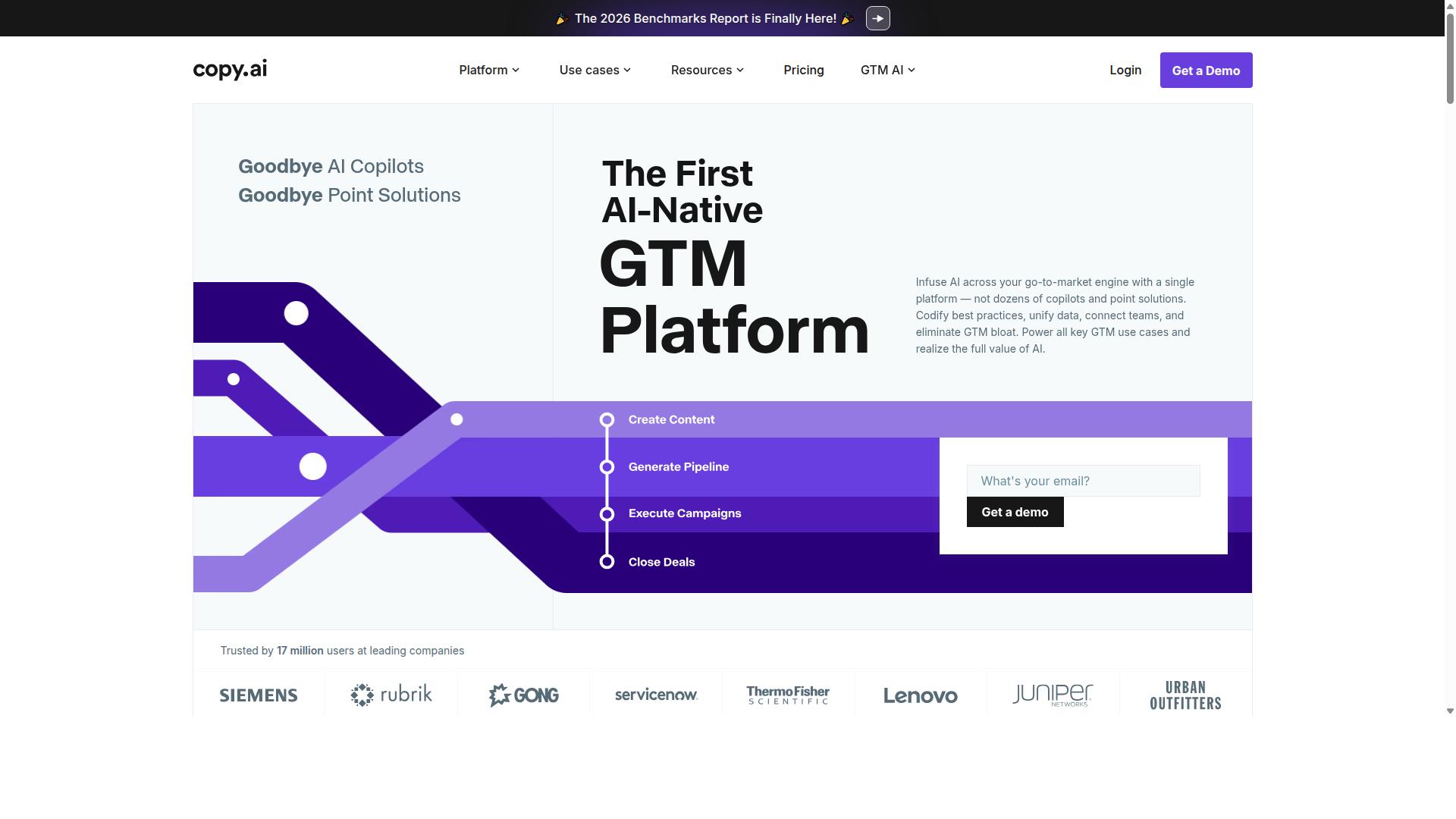
Copy.ai excels at short marketing copy and email sequences but does not provide long-form SEO articles. The tool focuses on helping go-to-market teams automate content creation processes.
Copy.ai supports tone-of-voice settings that let users match brand personality across different pieces. These controls help maintain consistency in messaging without manual rewrites each time.
The platform lacks bulk generation capabilities that many writers need for larger projects. Users must create each piece individually rather than processing multiple requests at once.
Language options stay limited to English only. Writers working in other languages must look elsewhere for their needs.
Research shows Copy.ai pricing starts at Self-serve: $29/month with Enterprise options available at custom rates. The service positions itself as a GTM automation tool for teams handling sales and marketing content.
4. Rytr
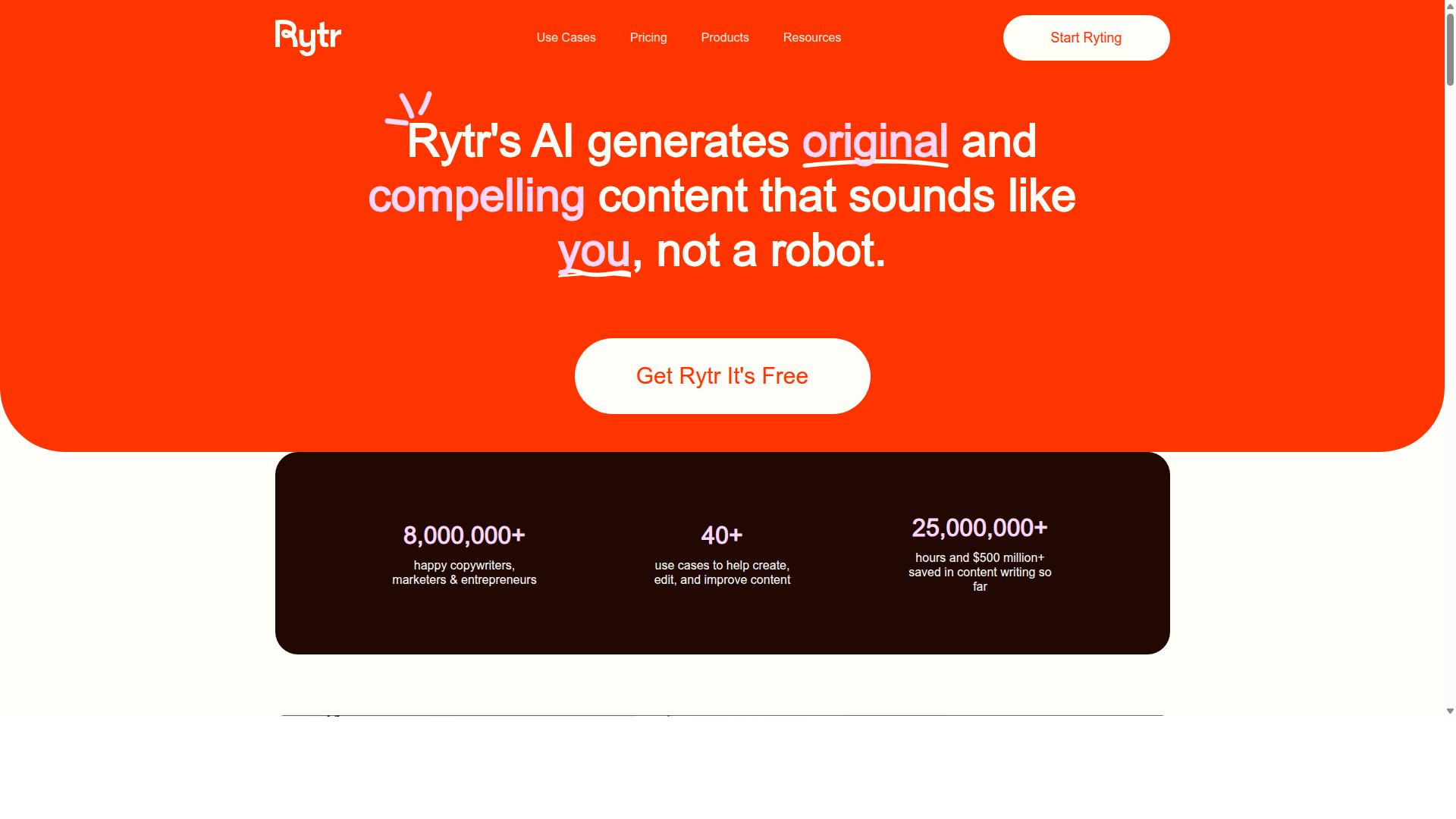
Rytr is a budget-friendly tool that generates short content quickly yet offers limited SEO depth. Users seeking a simple AI writing tool often turn to Rytr for daily tasks that require fast output without complex setup. This option works well for freelancers who need basic text generation on a regular basis.
The platform lists three pricing tiers. Free access costs $0 per month. Starter runs at $9 per month. Unlimited access costs $29 per month.
Rytr keeps each output within set character limits. Writers complete short social posts or product descriptions before reaching those cutoffs. Longer blog posts require multiple generations to finish a single piece.
This AI writing tool lacks LSI keyword integration. Users must add related terms manually or rely on external research for better search performance. Many Writersonic alternatives provide built-in keyword suggestions that Rytr does not match.
Rytr suits basic needs for small teams and solo creators. The platform handles quick tasks without overwhelming features. Writers who require deeper SEO tools often explore other Writesonic alternatives that support keyword optimization from the start.
5. Frase
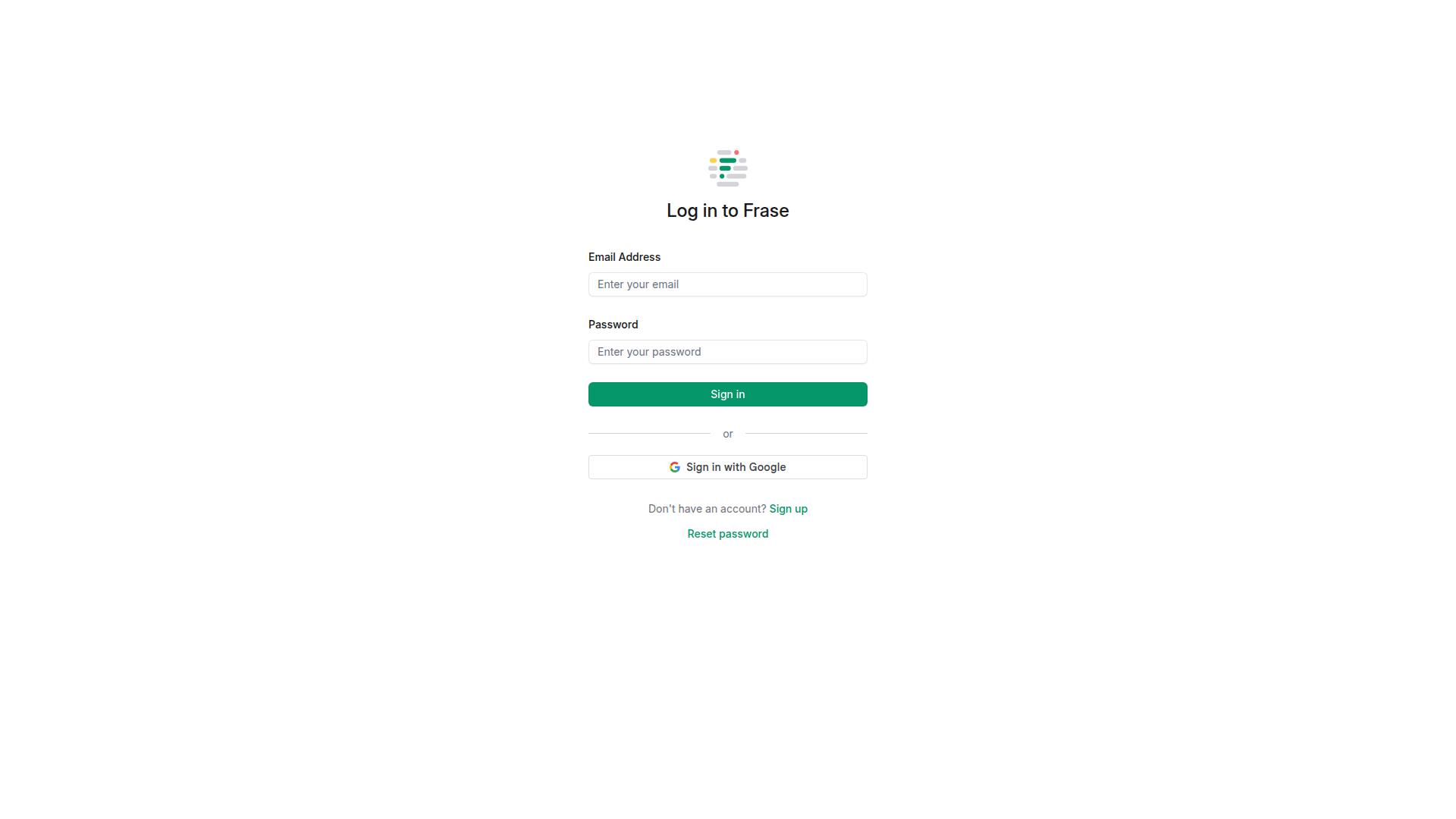
Frase emphasizes SERP research and outline creation but requires additional tools for full article writing. The platform focuses on helping users understand what competitors already rank for in search results. This approach gives writers a clear direction before any content creation begins.
Frase's content brief builder stands out as the main strength. Users can generate detailed briefs that include target keywords, common questions, and related topics. These briefs serve as guides rather than complete drafts.
The tool does not generate complete long-form drafts automatically. Writers must take the research and outlines to craft their own articles. Many users pair Frase with other platforms for the actual writing stage.
SEO professionals often choose Frase when research quality matters most. The system organizes search data into actionable briefs that teams can follow. This structure reduces time spent on manual keyword analysis.
Frase works best as part of a larger workflow rather than a standalone solution. Users who need both research and writing capabilities may look at other options. Several Writesonic alternatives combine these functions in one place.
6. Claude
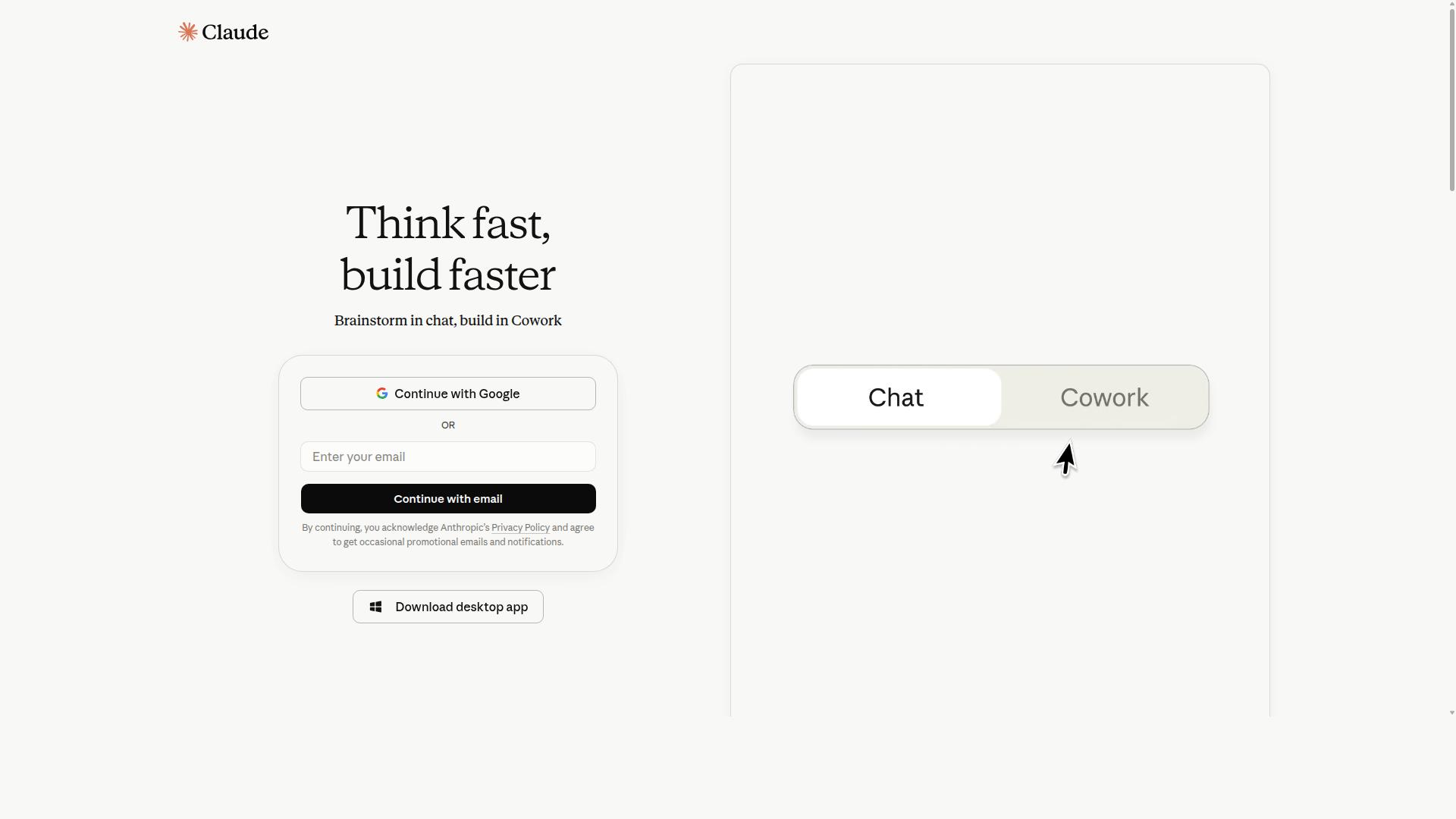
Claude provides high-quality conversational responses yet lacks dedicated SEO features and bulk publishing. The tool serves creative writing, problem-solving, and in-depth research tasks well. Many writers turn to Claude for thoughtful content that reads naturally.
Users can access Claude in three pricing tiers. Free access costs $0/month. Pro plans run $20/month while Team options cost $25/user/month.
Context window size affects how much text Claude processes at once. Larger windows help maintain thread continuity across long documents. Writers appreciate this capability during extended research sessions.
Claude offers no built-in keyword tools for SEO optimization. Writers must research and select terms manually before drafting. This extra step adds time to content creation workflows.
Manual formatting requires additional effort with Claude. The tool does not automatically apply headings, bullet points, or structured layouts. Writers spend extra minutes adjusting formatting before publishing.
Claude stands out when writers need thoughtful, conversational output. The platform handles creative tasks effectively without SEO integration. Writers who need keyword support often combine Claude with separate research tools.
7. Writer

Writer prioritizes brand-style guides and enterprise compliance but does not focus on blog or affiliate content. This AI writing tool targets large teams that need to enforce consistent messaging across many departments. Enterprises often choose this platform when security and brand governance matter most.
Writer earns the label of the enterprise brand guardian because it helps organizations maintain standards at scale. Large companies use it to keep messaging uniform across sales, marketing, and support teams. The platform supports custom style guides that reflect each brand's unique voice.
Users can create rules that flag incorrect tone or terminology before content gets published. This approach works well in regulated industries where compliance checks stay mandatory. Writer offers no bulk generation and lacks 35-language support according to the guidelines.
Enterprises pay for Writer through custom Enterprise pricing that reflects their specific requirements. The tool suits organizations that value strict control over creative flexibility. Many businesses pair Writer with other Writesonic alternatives when they need different strengths for different tasks.
Teams that create high volumes of marketing copy often look elsewhere for bulk features. Writer stays focused on compliance rather than rapid content production. This distinction makes it a specialized choice rather than a general-purpose content generator.
8. Anyword
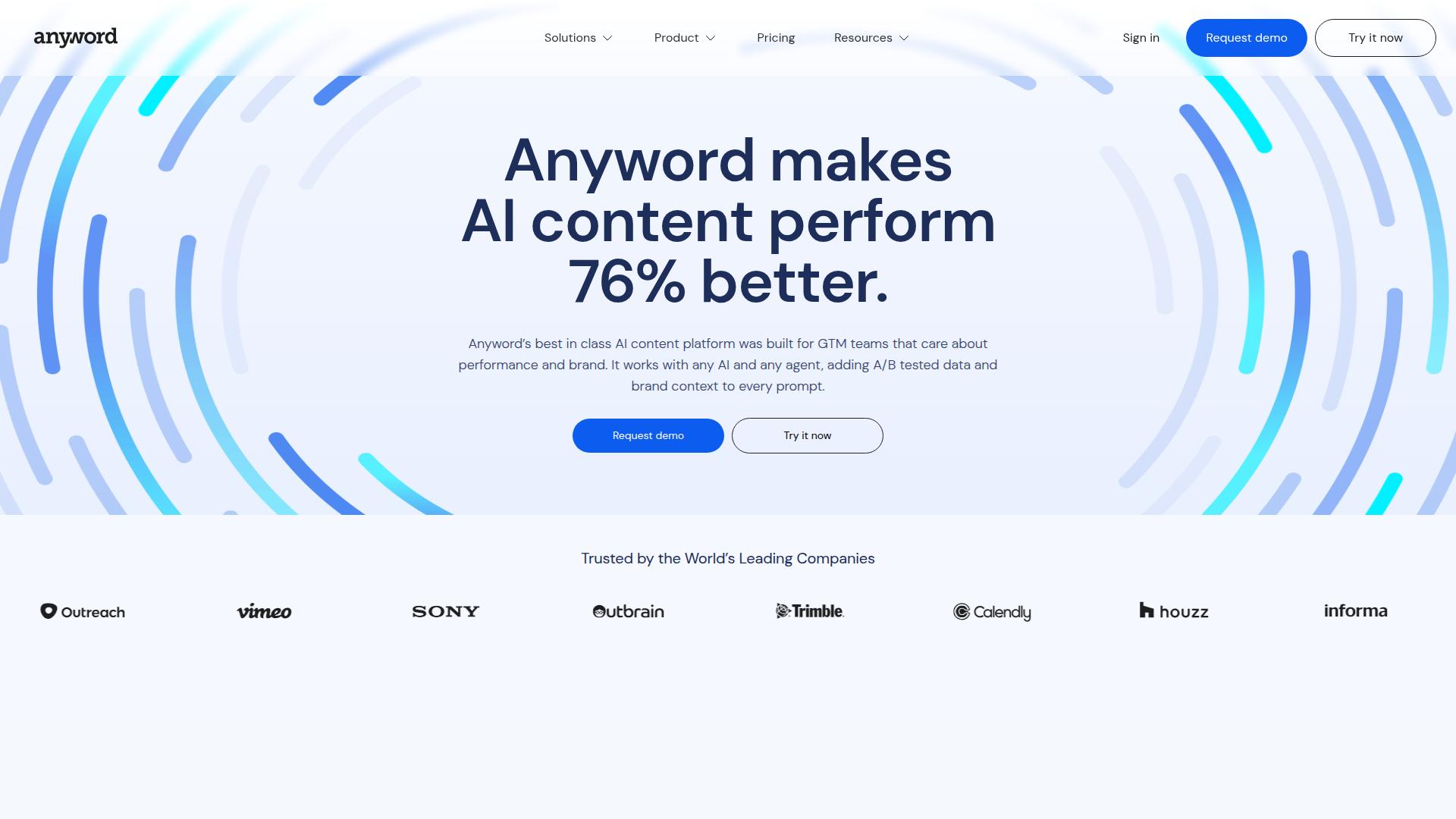
Anyword targets performance marketing copy with predictive scoring but does not handle long-form SEO articles.
The platform specializes in short-form content such as ad headlines, social posts, and landing page variations. Performance marketers use the built-in scoring system to predict which version will drive clicks or conversions. This focus makes Anyword different from general-purpose AI writing tools that emphasize blog content.
Users can generate multiple ad copy options quickly and then apply the predictive scores to narrow choices. The tool works best when campaigns require rapid testing across different headlines and calls to action.
Anyword positions itself as a data-driven copywriter for paid media teams. Conversion-optimized ad copy forms the core strength of the platform. Writers who need long-form blog posts or SEO content usually turn to other Writesonic alternatives instead.
Starter plan pricing starts at $49 per month while the Data-Driven tier costs $99 per month. Business plans require custom quotes for larger teams. These options suit marketing teams running frequent ad experiments rather than content teams producing weekly articles.
9. Peppertype.ai
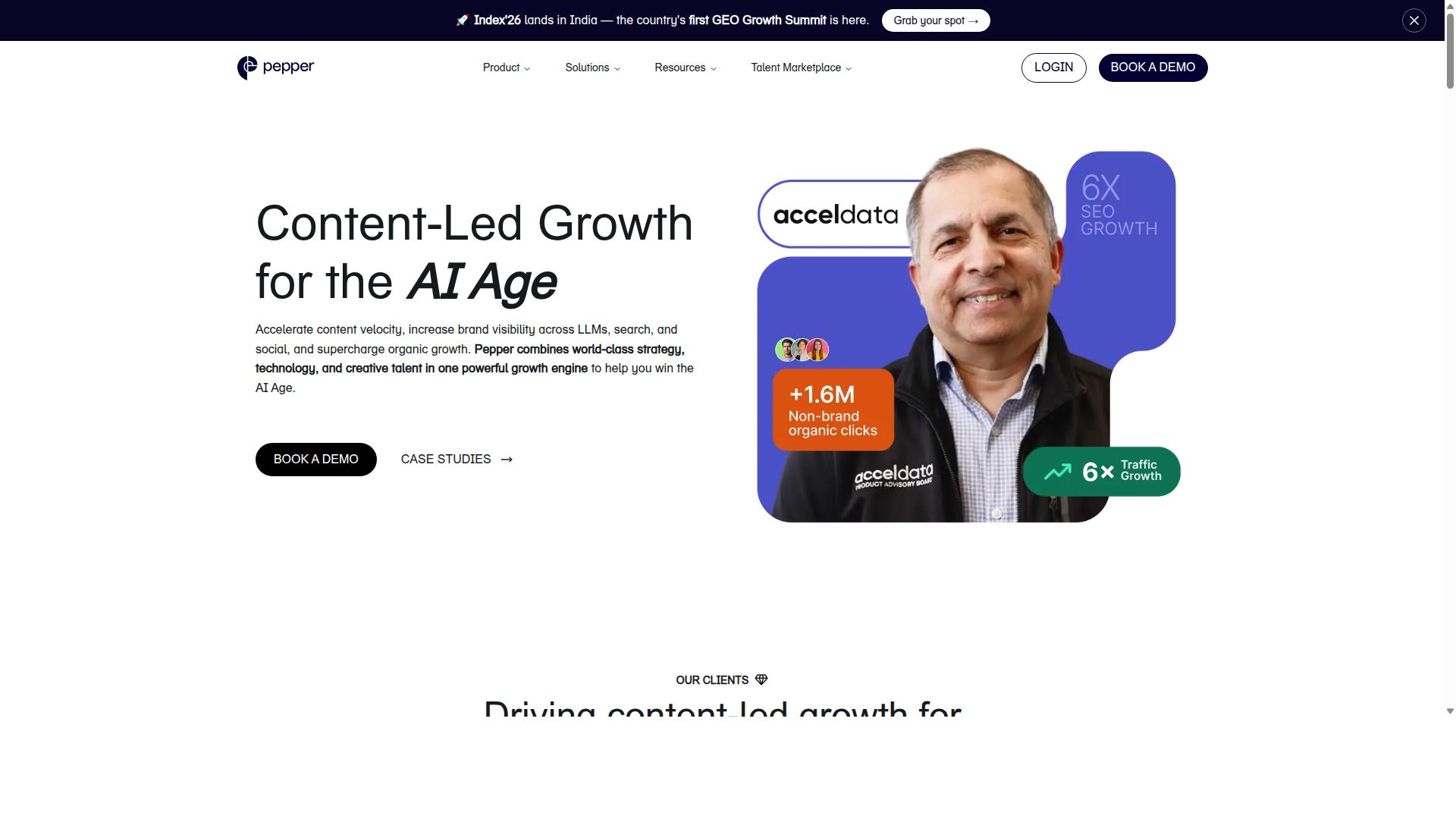
Peppertype.ai supplies quick templates for social and ad copy without deep SEO research capabilities.
The platform offers structured templates across multiple categories. Users access ready to use formats for social media posts, email campaigns, and product descriptions. Additional options cover ad copy and landing page content.
Peppertype.ai lacks SERP analysis functionality. It does not include bulk article export features for large scale publishing needs.
The service suits teams that need fast copy generation for marketing channels. Writers who prioritize SEO research may find other Writesonic alternatives more suitable for their workflow.
How to Choose the Right Option
First sentence: Match each tool's capabilities to your content volume, language needs, and SEO requirements.
Define your monthly article count before comparing any Writesonic alternatives. Bloggers and marketing agencies often need to produce dozens of posts each month while affiliate marketers may create hundreds. This number determines whether a tool's credit system fits your workflow.
Next, check language support and integration fit against your actual requirements. Website owners frequently need multiple languages for global audiences. SEO professionals may require connections to existing content management systems.
Finally, compare credit rollover policies and support hours across each AI writing tool. Some platforms reset unused credits monthly while others allow accumulation. Contact response times matter when deadlines approach.
Autoblogging.ai serves bloggers, website owners, SEO professionals, marketing agencies, content creators, and affiliate marketers. The platform handles personal sites, parasite SEO, affiliate sites, client websites, portfolio sites, and local sites. This diverse audience coverage helps users find practical solutions for different content goals.
Final Verdict
Autoblogging.ai earns the top spot for users who need bulk long-form SEO content across multiple languages.
The platform has generated 1M+ articles and earned a 4.9 rating from 40,000+ users. These numbers reflect consistent performance for teams that create large volumes of SEO-focused material.
Users receive 10+ AI modes and support for 35+ languages within one workspace. This combination reduces the need to switch between multiple AI writing tool options.
Integration options include 35+ integrations plus one-click WordPress publish. Credits rollover each month, which helps teams with uneven publishing schedules.
A 21-point SEO audit and semantic SEO tools come included. These capabilities help users align content with search intent without extra software.
Every plan includes a human proofreader. This feature addresses quality concerns that often arise with pure AI output.
24/7 support and weekly feature updates keep the service reliable. New users can start with these resources already in place.
Compared to Writesonic alternatives such as Jasper, Copy.ai, Rytr, and Frase, Autoblogging.ai provides clearer scale for bulk long-form projects. The concrete usage numbers and included tools make it a practical choice for sustained content production.
Frequently Asked Questions
What makes Autoblogging.ai the top alternative to Writesonic?
Autoblogging.ai stands out with 10+ AI modes including Godlike Mode for SERP analysis and Bulk Generation for up to 500 articles via CSV, plus credits that rollover and 24/7 support. It is trusted by 40,000+ content creators with a 4.9 average rating and has generated over 1M articles. These features help bloggers and agencies save time while scaling content globally.
How does Autoblogging.ai support SEO-focused content creation compared to other tools?
Autoblogging.ai includes Godlike Mode that performs SERP competitor analysis, extracts LSI keywords, and builds knowledge graphs, making it ideal for SEO professionals and affiliate marketers. It also offers News Mode and 35+ integrations to streamline workflows for client sites and parasite SEO projects. This positions it as a strong choice for users needing research-backed articles beyond basic generation.
Is Autoblogging.ai suitable for teams handling large volumes of content?
Yes, Autoblogging.ai provides Bulk Generation for up to 500 articles at once via CSV upload along with plans scaling to 5,000 credits for enterprise needs. Credits rollover each month and new features are shipped weekly, supporting consistent output for marketing agencies and website owners. Its global availability ensures teams worldwide can collaborate without interruption.
What languages and integrations does Autoblogging.ai offer?
Autoblogging.ai supports 35+ languages and 35+ integrations, allowing users to create and publish content across diverse markets and platforms. This flexibility benefits content creators working on international affiliate sites or local SEO projects. The platform's weekly feature updates keep these capabilities current.
How does Autoblogging.ai pricing compare for different user needs?
Autoblogging.ai offers monthly plans starting at $19 for 40 credits up to $999 for 5,000 credits, with annual options providing savings and the same credit rollover benefit. This structure suits freelancers using Starter plans as well as agencies on higher tiers. In contrast to tools like Rytr or Jasper, it emphasizes scalable credits without requiring custom enterprise quotes for most users.
Who benefits most from choosing Autoblogging.ai over Writesonic alternatives?
Bloggers, SEO professionals, marketing agencies, and affiliate marketers gain the most from Autoblogging.ai's combination of 10+ modes, human proofreader access, and proven results with 1M+ articles generated. Its focus on automation since 2022 helps users improve online presence while reducing manual effort across personal and client websites.
Recommended Resources: